
Probiotics and Autism: Gut Health Evidence for Parents
Gut problems are common in autistic children, and probiotics are widely marketed. Here is what trials show, what they do not, and how to stay safe.
 Raheel
Gut problems are common in autistic children, and probiotics are widely marketed. Here is what trials show, what they do not, and how to stay safe.
In US public schools, an autistic child may qualify for an IEP under IDEA or a 504 plan under civil rights law. Here is how each works, how to ask for an evaluation, and how to prepare for meetings.
Autism can be diagnosed by trained pediatricians, psychologists, psychiatrists, and multidisciplinary teams. Here is how the US and UK pathways work, and how to cope with waiting lists.
An autism assessment combines your child’s history, observation by trained clinicians, and checks for other conditions. Here is what to expect and how to prepare.
Genes play the largest known role in autism, with smaller effects from some pregnancy and birth factors. Vaccines and parenting do not cause autism. Here is the evidence.
Low vitamin D is common in autistic children, and some trials have tested supplements. Here is what they found and why high doses need a doctor’s oversight.
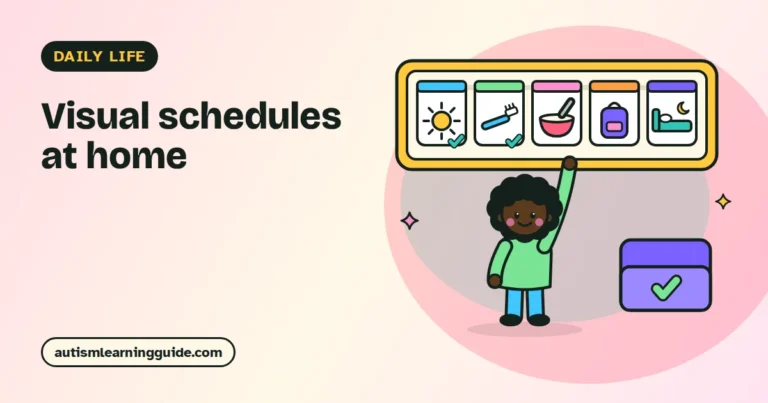
A visual schedule shows your child, in pictures or words, what is happening now and what comes next. Here is what the research says and how to build one that fits your family.
Some products and therapies sold as autism cures can seriously harm children. Here is what the evidence and regulators say about MMS, chelation, hyperbaric oxygen, stem cells and more, and how to spot a scam.
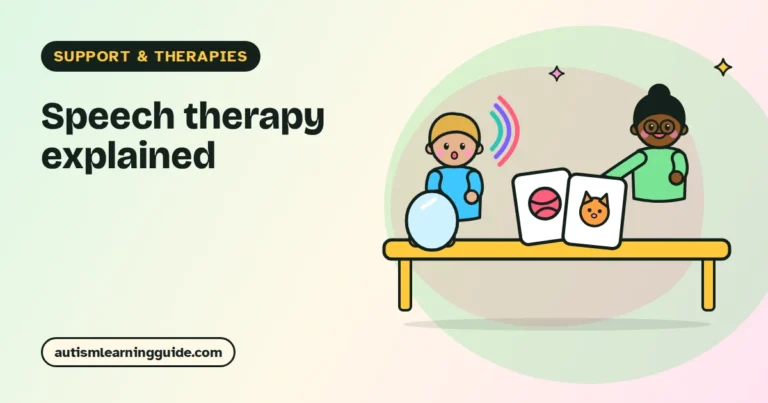
Speech therapy for autism is about much more than words. Learn what a speech-language pathologist does, what the evidence shows, and simple ways to support communication at home.
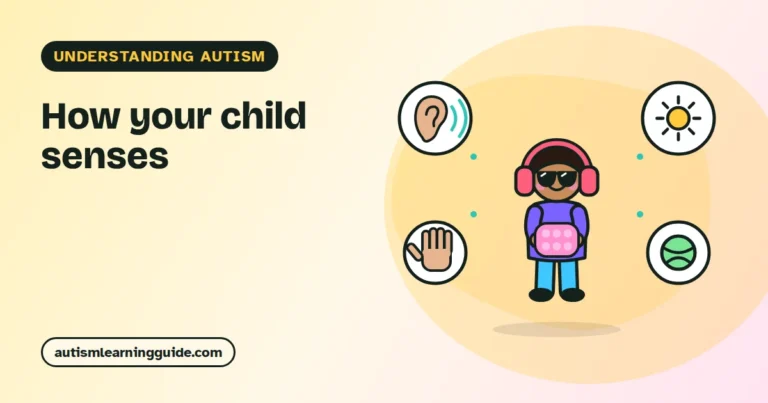
Many autistic children experience sounds, textures, lights, and movement differently. Understanding your child’s sensory profile can make everyday life calmer and more comfortable.